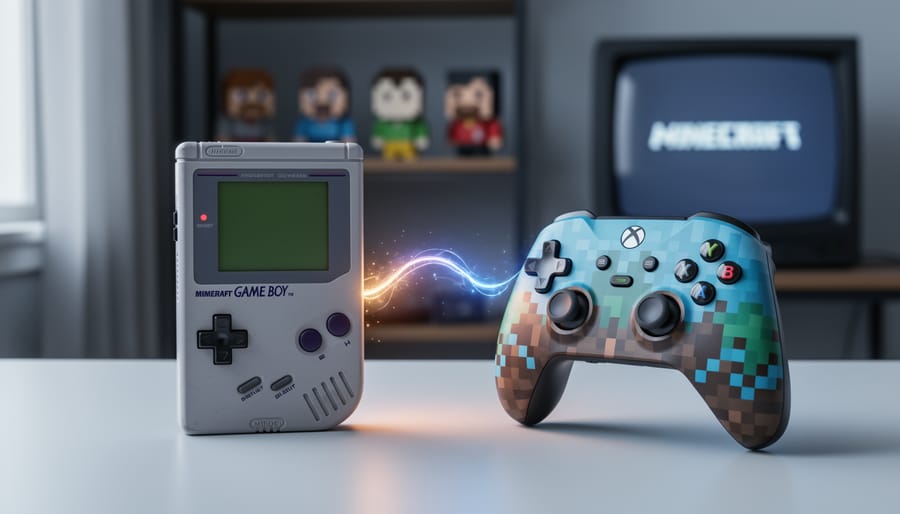
Retro gaming themes in Cobblemon server communities blend pixel art aesthetics, chiptune soundscapes, and classic gaming references to create nostalgic multiplayer experiences that mirror the design language of Game Boy and early console era Pokémon titles. These themed servers for players looking to play Cobblemon transform the standard Minecraft experience into a living tribute to 1990s handheld gaming, complete with limited color palettes, CRT-style visual filters, and towns designed like 8-bit Route maps.
For vintage gaming collectors who’ve spent years hunting down pristine cartridges and maintaining aging hardware, these digital communities offer something unexpected: a social space where their passion for preservation meets active gameplay. You’re no longer just displaying your collection behind glass. Instead, retro-themed Cobblemon servers let you experience that same aesthetic sensibility alongside hundreds of players who understand why the original red and blue color schemes matter, why sprite limitations created iconic designs, and why turn-based battles still feel perfect decades later.
This convergence matters because physical retro gaming can feel isolating. Your friends might not share your enthusiasm for tracking down a working link cable or understanding regional cartridge differences. But hop onto a server running authentic Game Boy-inspired texture packs, and suddenly you’re surrounded by people who built entire bases styled after Celadon City or recreated the S.S. Anne down to its pixelated portholes. The communities forming around these servers bridge the gap between solo collecting and collaborative appreciation of gaming history.
What Retro Gaming Themes in Cobblemon Servers Mean
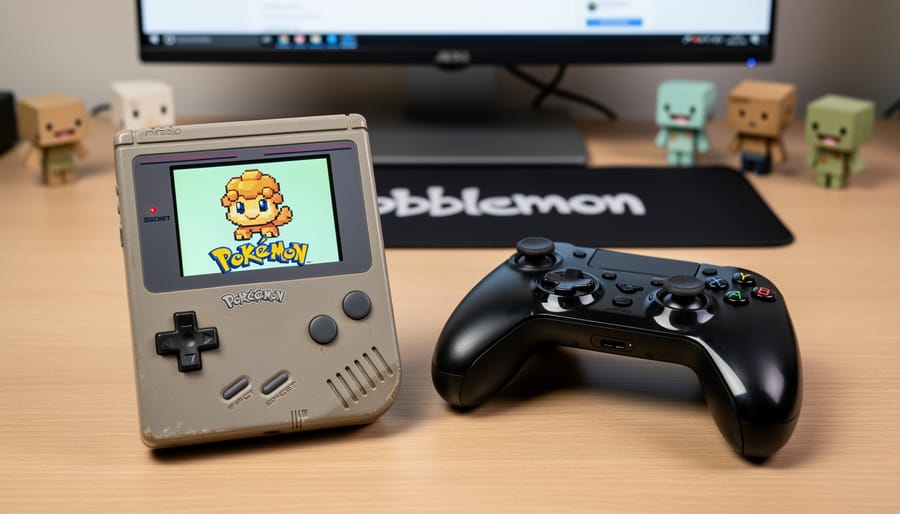
Retro gaming themes in Cobblemon servers are deliberate design choices that transport players back to the golden age of classic consoles while playing a Cobblemon-inspired mod in Minecraft. These themes recreate the visual aesthetic, audio atmosphere, and sometimes even the mechanical limitations of vintage gaming hardware, think chunky pixels styled after the original Game Boy’s four-shade palette, or chiptune music that sounds like it’s being pumped through an NES speaker. The result is a multiplayer experience that feels like stepping into a time machine, blending the social connectivity of modern online gaming with the charm and constraints of 1980s and 1990s consoles.
- Texture Packs
- Custom graphics replacements that transform high-resolution Minecraft blocks and Cobblemon creatures into low-resolution pixel art mimicking specific vintage hardware like Game Boy, NES, or SNES. These packs dictate color counts, sprite styles, and overall visual fidelity.
- Shader Modifications
- Programs that add visual effects such as CRT scan lines, screen curvature, phosphor glow, or color bleeding to simulate playing on old cathode ray tube televisions. They complete the illusion by replicating how games actually looked on period-appropriate displays.
- Chiptune Audio
- Music and sound effects created using the same synthesis methods and channel limitations as 8-bit and 16-bit sound chips, producing the bleeps, bloops, and square wave melodies that defined early console gaming.
- Nostalgia-Driven Server Design
- Intentional gameplay and community structures that mirror retro gaming experiences, simplified menus, limited HUD elements, or trading systems that echo link cable multiplayer from handhelds.
What makes these themes special isn’t just surface-level decoration. Server creators often dig deep into gaming history, studying how specific consoles handled color, how tile-based graphics worked on limited memory, and which audio frequencies defined each era. A well-executed Game Boy theme doesn’t just slap a green filter on everything, it respects the actual four-color palette limitations and dithering patterns programmers used to squeeze detail from primitive hardware. When you join a retro-themed Cobblemon server, you’re experiencing a love letter to specific consoles written by people who understand what made those systems tick.
This attention to authenticity creates unexpected common ground between vintage console collectors and Minecraft players who never touched an original cartridge.
How Retro-Themed Cobblemon Servers Work
Texture Packs and Visual Design
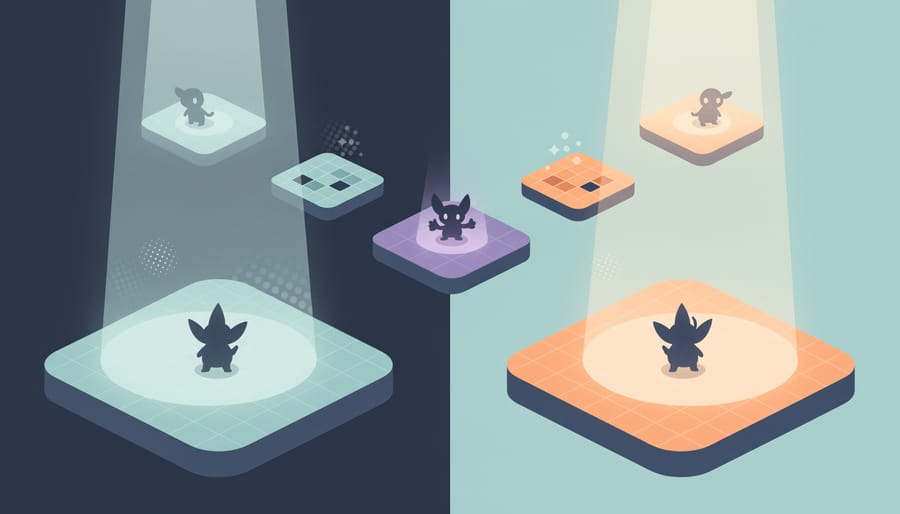
Texture packs form the visual backbone of retro-themed Cobblemon servers, replacing the mod’s default graphics with pixel-art styles that mirror classic gaming hardware. Server creators use custom resource packs to swap high-resolution textures for chunky sprites limited to specific color palettes, think the four-shade green of the original Game Boy or the 64-color limit of the NES. Popular packs recreate the dithering patterns and sprite flickering that defined retro consoles down to CRT scan-line overlays and screen blur effects.
The most beloved designs pull directly from collector memories: Cobblemon creatures rendered as 16×16 sprites matching Game Boy Pokémon dimensions, block textures simplified to NES tile restrictions, or user interfaces stripped to monochrome menus with bitmap fonts. Some creators even introduce “sprite bleed” and color ghosting to replicate aging LCD screens. These visual choices aren’t just aesthetic, they trigger instant recognition among collectors who spent hours staring at those exact palettes, creating an immediate sense of homecoming when they log into a server.
Sound and Music Modifications
Sound transforms a visually retro server into a complete time machine. Audio packs replace Minecraft’s default sounds with chiptune melodies and 8-bit effects that instantly transport players back to childhood gaming sessions. When your Cobblemon companion appears with a synthesized beep instead of a modern sound effect, or when you step into a server’s pixel-art town greeted by a looping NES-style melody, the nostalgia hits differently than visuals alone.
Server owners curate these audio experiences using custom resource packs that swap sound files. Popular modifications include chiptune battle themes mimicking Pokémon Red/Blue’s composition style, menu navigation sounds borrowed from SNES RPGs, and ambient tracks that could’ve been ripped from a Famicom cartridge. Some communities go further, implementing CRT speaker emulation filters that add the slight crackle and compression characteristic of playing through old TV speakers.
The auditory layer matters deeply to collectors who remember games as much by their sound as their graphics. Hearing authentic bleeps when opening a chest or simplified victory fanfares after catching a Cobblemon creates emotional resonance that pure visuals can’t match. These sounds become conversation starters, players comparing whether a particular effect sounds more Game Boy or Game Gear, swapping memories of cartridge soundtracks they’ve preserved.
Gameplay Mechanics That Echo the Past
Some retro-themed Cobblemon servers go beyond visuals to recreate the actual gameplay limitations that defined classic consoles. Server owners implement simplified user interfaces stripped down to basic text boxes and button prompts, mirroring the minimalist menus of Game Boy titles where every pixel counted. Combat systems get tweaked to emphasize the deliberate, strategic pacing of turn-based RPGs from the 1990s, removing modern quality-of-life shortcuts like speed-up options or automatic battle animations. A few dedicated servers even enforce artificial constraints like reduced inventory slots or simplified item descriptions, forcing players to navigate the same resource management puzzles that vintage gamers faced. These mechanical throwbacks appeal to collectors who remember when gaming meant working within hardware limitations rather than around them.
Categories of Retro Gaming Themes Popular in Cobblemon Communities
8-Bit and NES-Era Themes
The chunky, unmistakable pixels of NES-era themes transport players straight back to 1985. These servers strip modern Cobblemon’s smooth textures down to blocky 8×8 or 16×16 pixel sprites, mimicking the hardware limitations that defined early Nintendo games. Color palettes shrink to match the NES’s 54-color range, muted earth tones, bold primaries, and that characteristic washed-out look collectors instantly recognize from their CRT screens.
Server builders often implement dithering patterns to simulate how the NES handled gradients and shadows, creating that distinctive grainy texture. Background tiles repeat in obvious grids, just like Super Mario Bros. or The Legend of Zelda. Some servers even add horizontal sprite flickering, a deliberate glitch effect that hardcore collectors appreciate as authentic to the console’s technical constraints.
The aesthetic resonates deeply with collectors who grew up blowing into cartridges. Walking through these pixelated Cobblemon worlds feels like stepping inside the games they’ve preserved on their shelves for decades.
Game Boy and Handheld Console Themes
Game Boy and handheld console themes hold a special place in Cobblemon server communities, particularly among collectors who grew up clutching dot-matrix screens on long car rides. These themes recreate the distinctive four-shade monochrome palette of the original 1989 Game Boy, olive greens transitioning from near-black to pale grey-green, often paired with the subtle screen blur that defined portable gaming before backlit displays. Server builders meticulously craft texture packs that limit color depth to match Game Boy Color’s 56 simultaneous colors or Game Gear’s deeper but still constrained palette. The visual constraints force creative choices that mirror the ingenuity of original handheld developers. Collectors who maintain physical collections of the best retro handhelds particularly appreciate these themes because they capture not just the look but the feel of portable gaming’s golden era, that intimate, personal connection to a small glowing screen. Some servers even add CRT scan-line effects or simulate the slight ghosting that plagued early LCD technology, turning technical limitations into nostalgic features that spark conversations about Tetris marathons and Pokémon Red trading sessions.
16-Bit SNES and Genesis Themes
The 16-bit era brought a visual richness that many collectors consider the golden age of pixel art, and Cobblemon servers recreating SNES and Genesis aesthetics capture that enhanced depth. These themes feature dramatically increased color palettes, moving from the 8-bit era’s handful of simultaneous colors to hundreds, allowing for gradients, shading, and vibrant environmental details that make biomes pop.
Server builders implementing 16-bit themes focus on smoother character sprites with more frames of animation, detailed tile sets that create layered backgrounds, and particle effects mimicking Mode 7 rotation or parallax scrolling. The result feels noticeably more polished than 8-bit alternatives while maintaining that distinct pixel charm.
Collectors who cut their teeth on Super Metroid or Sonic 2 gravitate toward these servers because they recognize the specific sprite work techniques, dithering for pseudo-transparency, careful anti-aliasing on curves, and color choices limited to period-accurate palettes. Some communities even recreate specific SNES color limitations or Genesis’s brighter, more saturated look, sparking friendly debates about which console did 16-bit better.
Early 3D and PlayStation-Era Themes
Blocky polygons and chunky textures define the PlayStation-era themes that transport players straight back to 1995. These servers embrace the beautiful awkwardness of early 3D gaming, jagged edges, vertex wobble, and all. Think of how Pokémon Stadium looked on N64, with its sharp-angled creatures and flat-shaded environments. Server builders recreate that specific visual language using low-poly models and deliberately muddy textures that mirror the PSX’s 320×240 resolution.
The real magic happens with CRT scan-line overlays and dithering effects. Many collectors running these servers on modern displays add shader packs that simulate curved screens, RGB phosphor grids, and the slight blur that came from composite video cables. It’s not just nostalgia, it’s technical accuracy. You’ll spot draw distance fog rolling in exactly like it did in early Tomb Raider, hiding the console’s rendering limitations.
Collectors gravitate toward these themes because they remember when 3D gaming felt revolutionary despite its crudeness. Building a PSX-styled Cobblemon town becomes a love letter to that transformative era.
How Collectors Use Retro Gaming Themes in Cobblemon Servers
Building Community Around Shared Nostalgia
Retro themes transform Cobblemon servers into instant conversation starters. When a collector logs in and spots authentic Game Boy Color palette work or hears a perfectly recreated SNES sound effect, they immediately know someone else “gets it”, that shared recognition sparks connections faster than any forum introduction post.
These aesthetic touchstones become the foundation for tight-knit communities. Players bond over debating whether a server’s 16-bit implementation captures the Genesis or SNES vibe more accurately, share stories about tracking down childhood favorites at garage sales, and celebrate together when someone identifies an obscure console reference hidden in a texture pack.
The collaborative potential runs deep. Collectors team up to build in-game recreations of classic gaming setups, complete with period-accurate CRT effects and controller layouts. Trading networks emerge where rare physical finds get discussed alongside server resources. Veterans mentor newcomers, explaining why certain pixel art choices matter or how specific hardware limitations shaped beloved games. Some groups even organize themed events, everyone switches to monochrome Game Boy textures for a weekend challenge, or the server temporarily adopts arcade cabinet aesthetics for tournaments.
This nostalgia-driven belonging creates friendships that extend beyond the game itself.
Showcasing and Celebrating Physical Collections
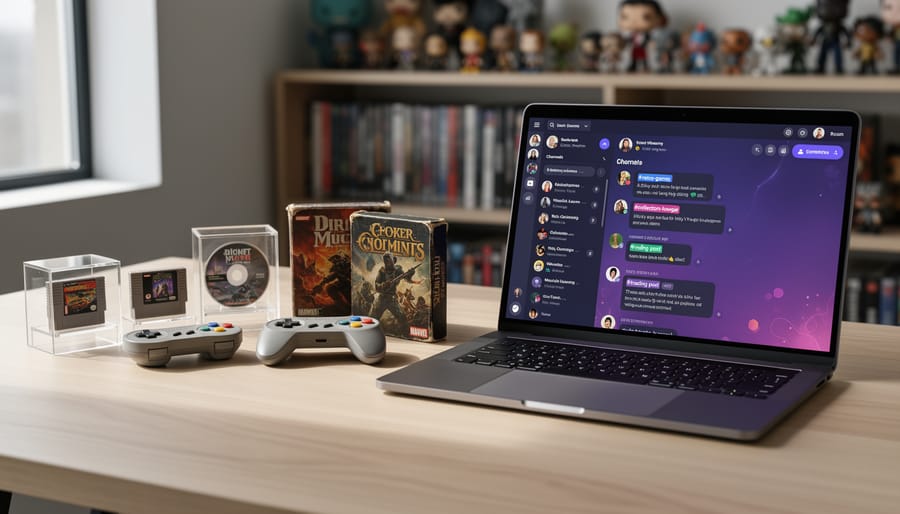
Collectors transform retro-themed Cobblemon servers into digital showcases for their physical collections, building in-game museums that mirror their real-world shelves with pixel-perfect recreations of classic cartridges, consoles, and box art. Screenshot comparison events have become community highlights, where collectors post side-by-side images of their actual Game Boy or NES hardware next to matching server textures, sparking conversations about color accuracy and authentic wear patterns. These spaces also function as knowledge exchanges, veteran collectors share preservation techniques like proper cartridge cleaning methods, storage solutions for aging circuit boards, and advice on when it makes sense to sell your games versus keeping them archived. Some servers host virtual conventions where members present their rarest finds through custom texture packs created from scanned labels and manuals, effectively digitizing collecting culture while keeping the tactile passion for original hardware alive. This blend of physical expertise and digital creativity strengthens both communities simultaneously.
Educational Opportunities for New Generations
Retro-themed Cobblemon servers work as surprisingly effective classrooms for gaming history. Younger players who never touched an NES or Game Boy encounter these aesthetics in-game and ask questions, why does everything look blocky? What’s that beeping sound? Server communities respond with context: explaining sprite limitations, hardware constraints, and the creative workarounds developers used in the 1980s and 90s. Veterans share screenshots comparing server builds to actual vintage consoles, turning gameplay sessions into informal history lessons. Some servers host in-game museums showcasing pixel-perfect recreations of classic titles alongside explanations of their cultural impact. This exposure plants seeds, curious players start researching the original hardware, watching restoration videos, and eventually hunting garage sales for the real thing. The conversation often shifts from virtual console emulator options to acquiring authentic cartridges and systems. Collectors report that these servers introduce their children to games they grew up with, creating shared family experiences across generations. The digital format removes the intimidation factor of expensive vintage equipment, letting newcomers explore gaming history risk-free before committing to physical collecting.
The Connection Between Physical Collecting and Digital Communities
Physical console collecting and digital gaming communities might seem like separate hobbies, but Cobblemon servers with retro themes prove they’re two sides of the same coin. When you join a server designed to look like a Game Boy Color game, you’re not just playing, you’re stepping into a shared memory palace where other collectors instantly recognize the same visual language that drew you to that dusty console in your closet.
The appeal runs deeper than simple nostalgia. These digital spaces solve a fundamental problem for vintage gaming enthusiasts: isolation. Your neighbor probably doesn’t care about the difference between PAL and NTSC cartridges, but someone on a retro-themed Cobblemon server absolutely will. The servers become natural gathering points where collectors swap restoration techniques, discuss whether to pay for consoles they’re missing, and share photos of their latest finds. That Game Boy-themed texture pack isn’t just decoration, it’s a cultural handshake.
Digital recreations complement physical preservation rather than replacing it. When you build a pixelated shrine to the Sega Genesis inside Minecraft, you’re keeping that aesthetic alive for players who’ve never held a Genesis controller. Meanwhile, the conversations sparked by these builds often send newcomers hunting for actual hardware, creating fresh demand for preservation. One collector reported that after hosting a tour of his in-game NES museum, three server members purchased their first vintage consoles within weeks.
Here’s the insider move: use server voice channels during gameplay sessions to discuss your physical collection. The retro aesthetic creates natural conversation starters about specific consoles, and you’ll find trading partners for both digital items and real-world games. Some collectors host “show and tell” events where they display physical cartridges on camera while exploring matching-themed server areas. Others coordinate repair workshops, using server downtime to troubleshoot actual console issues over Discord.
The boundary between physical and digital dissolves when both spaces celebrate the same heritage. Your shelf of classic systems and that CRT-filtered Cobblemon server both preserve gaming history, just through different lenses.
Retro gaming themes in Cobblemon servers accomplish something remarkable: they transform nostalgic aesthetics into living, breathing communities where the past and present coexist. These aren’t just cosmetic overlays or superficial nods to gaming history. They’re deliberate acts of cultural preservation that give vintage console enthusiasts a dynamic space to share their passion while introducing newcomers to the textures, sounds, and design philosophies that defined entire generations of gaming.
For collectors who’ve spent years hunting down pristine cartridges or restoring yellowed plastic, these digital spaces offer validation and connection. Your knowledge matters here. The distinctions you make between Game Boy palettes, the SNES color depth you can identify at a glance, the chiptune patterns that instantly trigger specific memories, all of this expertise finds new relevance and appreciation in these communities. Physical collections and digital recreations don’t compete; they complement each other, each preserving different aspects of what made those original consoles magical.
As 2026 continues to expand the possibilities of both retro hardware restoration and online community building, the intersection grows richer. Whether you’re carefully desoldering capacitors from a thirty-year-old motherboard or exploring a pixel-perfect Cobblemon server that captures the essence of that same era, you’re participating in the same essential work: keeping gaming history alive, accessible, and loved. Both pursuits honor where we’ve been while building bridges to where we’re going.